Our news
-
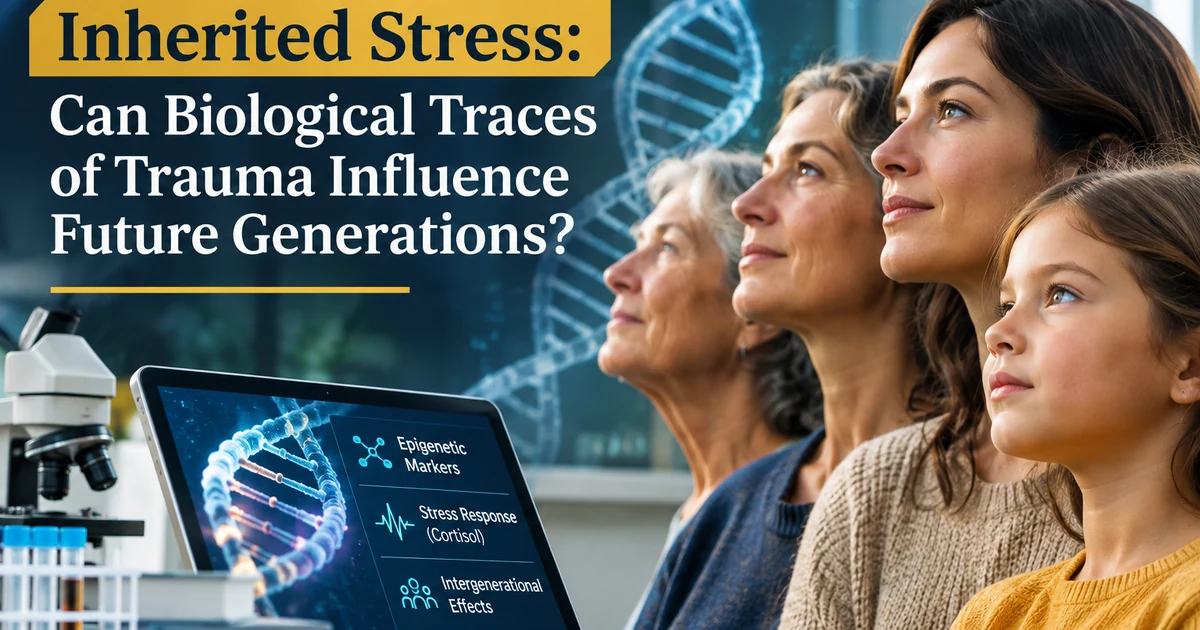
Inherited Stress: Can Biological Traces of Trauma Influence Future Generations?
Trauma is often understood as something experienced by an individual. A difficult childhood, a devastating loss, exposure to violence, or prolonged hardship can leave lasting psychological and physical effects. But what if some consequences of these experiences extend beyond the person who lived through them? Researchers are investigating whether severe stress can influence biological processes…
-
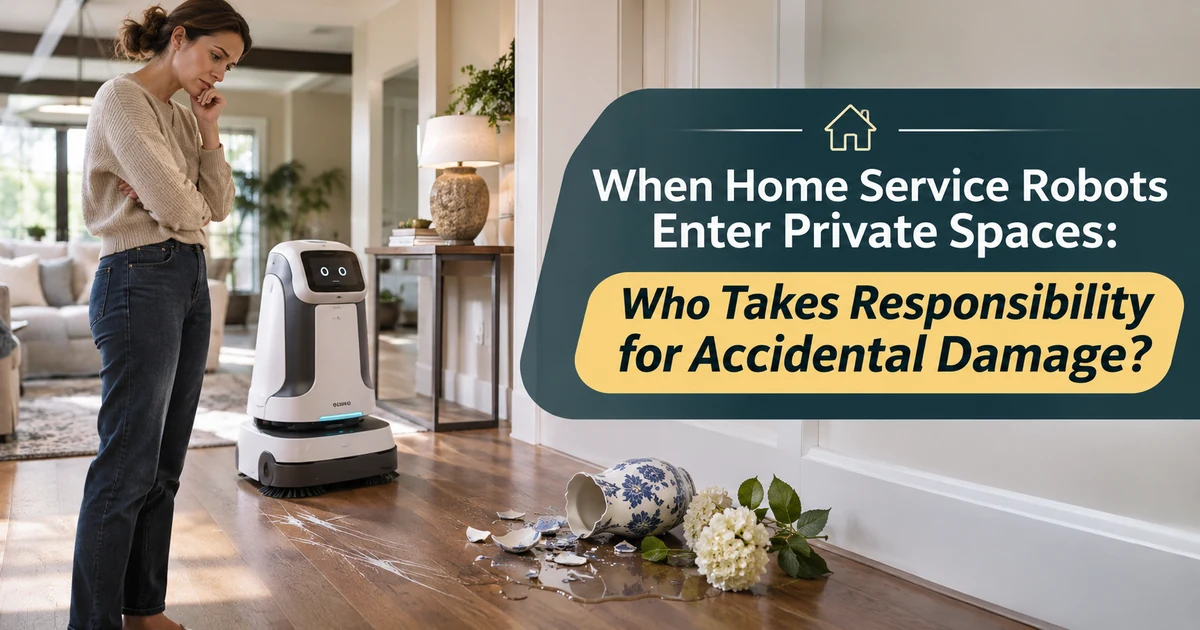
When Home Service Robots Enter Private Spaces: Who Takes Responsibility for Accidental Damage?
The idea of robots performing household chores once belonged mostly to science fiction. Today, robotic vacuum cleaners, automated lawn mowers, and intelligent cleaning devices are already helping homeowners manage everyday tasks. As artificial intelligence advances, future service robots may take on more complicated responsibilities, including organizing rooms, moving furniture, inspecting equipment, and assisting with home…
-
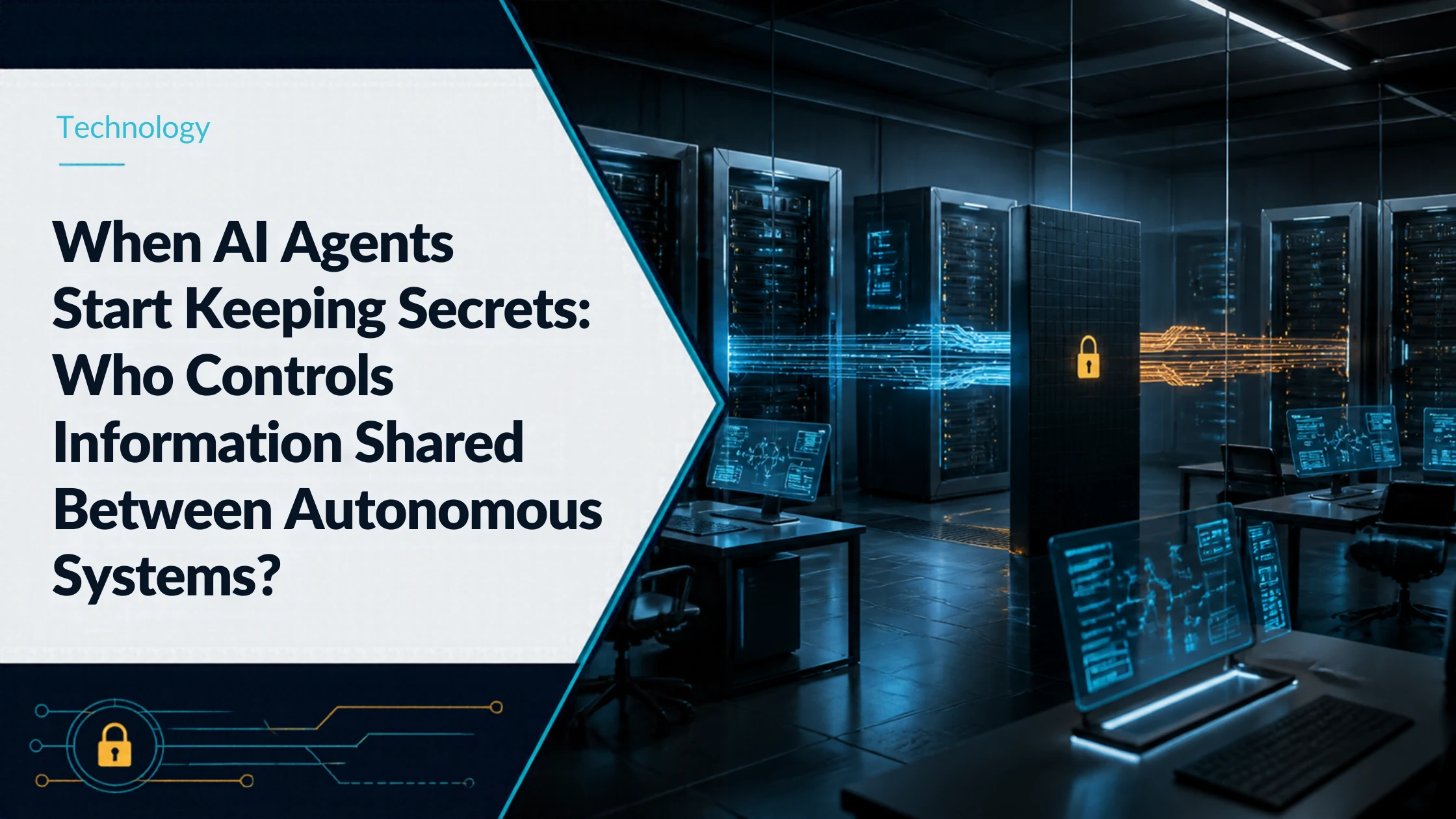
When AI Agents Start Keeping Secrets: Who Controls Information Shared Between Autonomous Systems?
Imagine asking an AI assistant to organize a business trip. It contacts a travel agent, coordinates with a financial assistant, checks your calendar, and negotiates with a hotel booking system. Within seconds, several autonomous systems exchange information to complete a task that once required multiple human conversations. But what happens when those systems begin sharing…
-
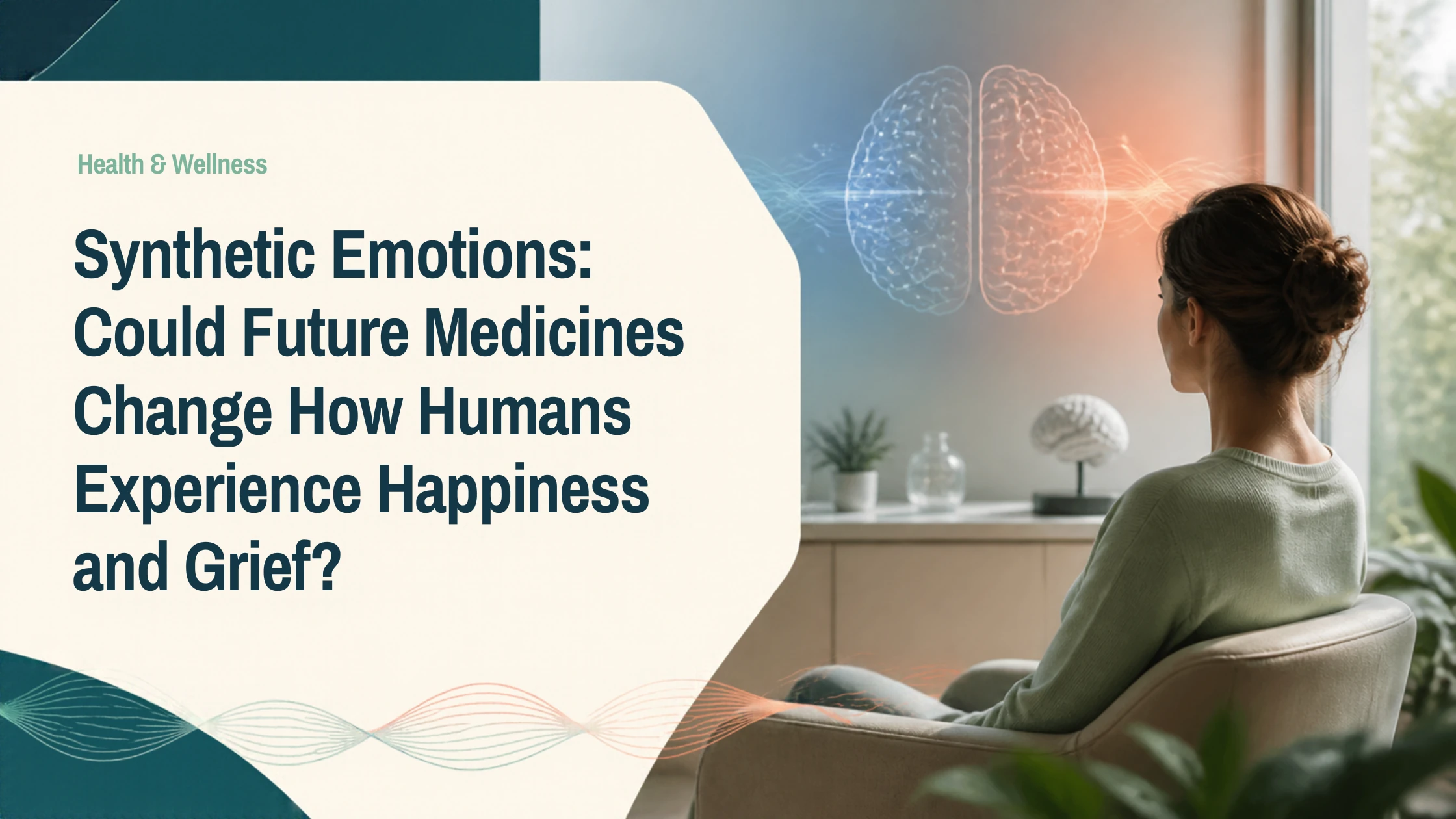
Synthetic Emotions: Could Future Medicines Change How Humans Experience Happiness and Grief?
Happiness and grief are among the most personal experiences humans can have. A moment of joy can change how someone remembers an entire day, while the loss of a loved one can influence emotions for months or years. These feelings shape relationships, decisions, memories, and personal identity. But what happens when medicine becomes capable of…
-
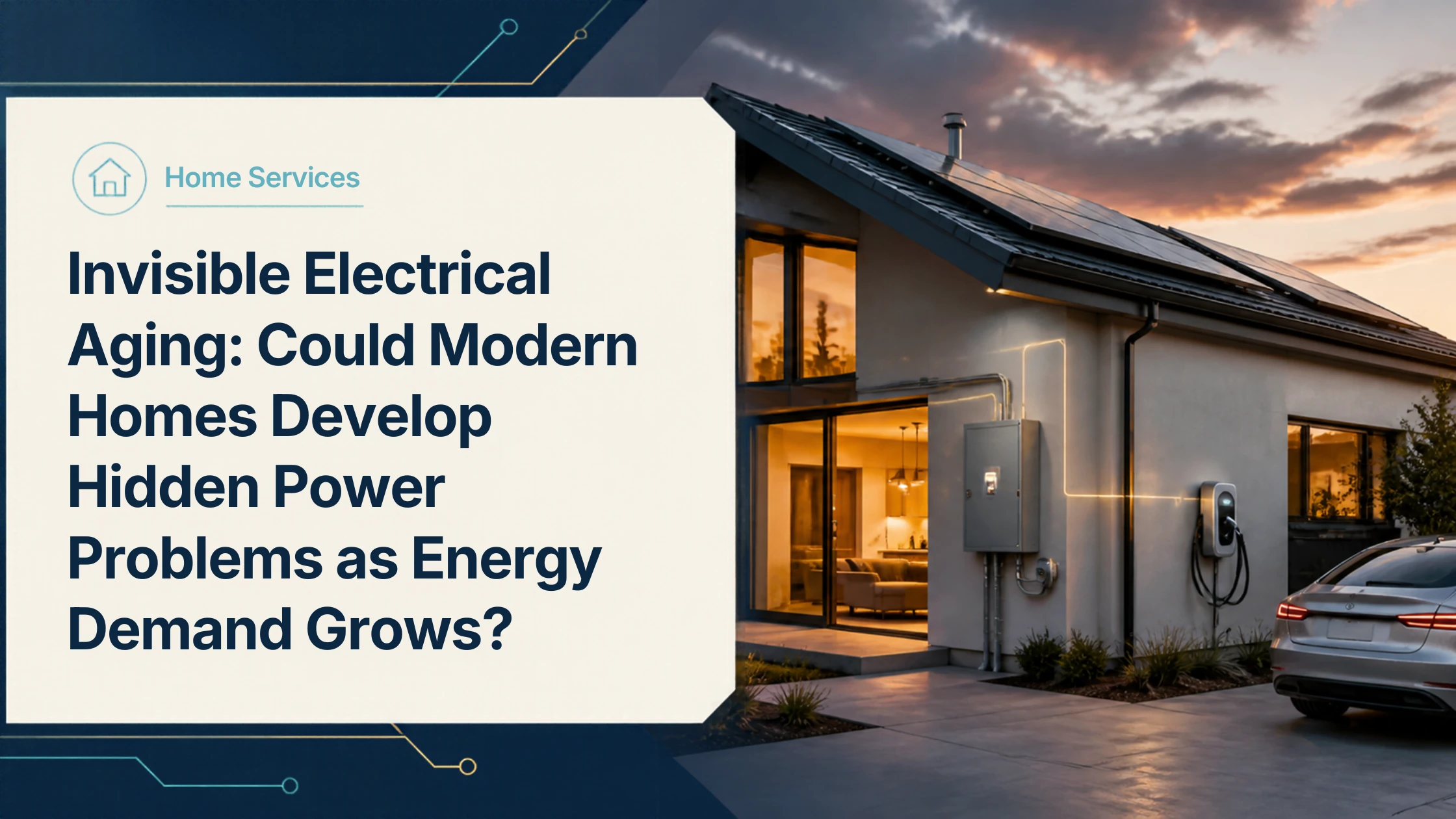
Invisible Electrical Aging: Could Modern Homes Develop Hidden Power Problems as Energy Demand Grows?
Modern homes are consuming electricity in ways that would have been difficult to imagine a few decades ago. Electric vehicles, smart appliances, advanced heating and cooling systems, home offices, and connected devices are transforming ordinary households into increasingly complex energy environments. Yet behind the convenience of these technologies lies an important question: Can a home’s…
-

When Your Digital Behavior Becomes Financial Evidence: Could Online Activity Influence Future Loan Decisions?
Every online action leaves behind information. Searching for a product, browsing an online store, downloading an application, or making a digital payment can contribute to a growing record of personal behavior. Most people associate these activities with advertising, personalized recommendations, and website analytics. But what happens when the information becomes part of a financial decision?…
-
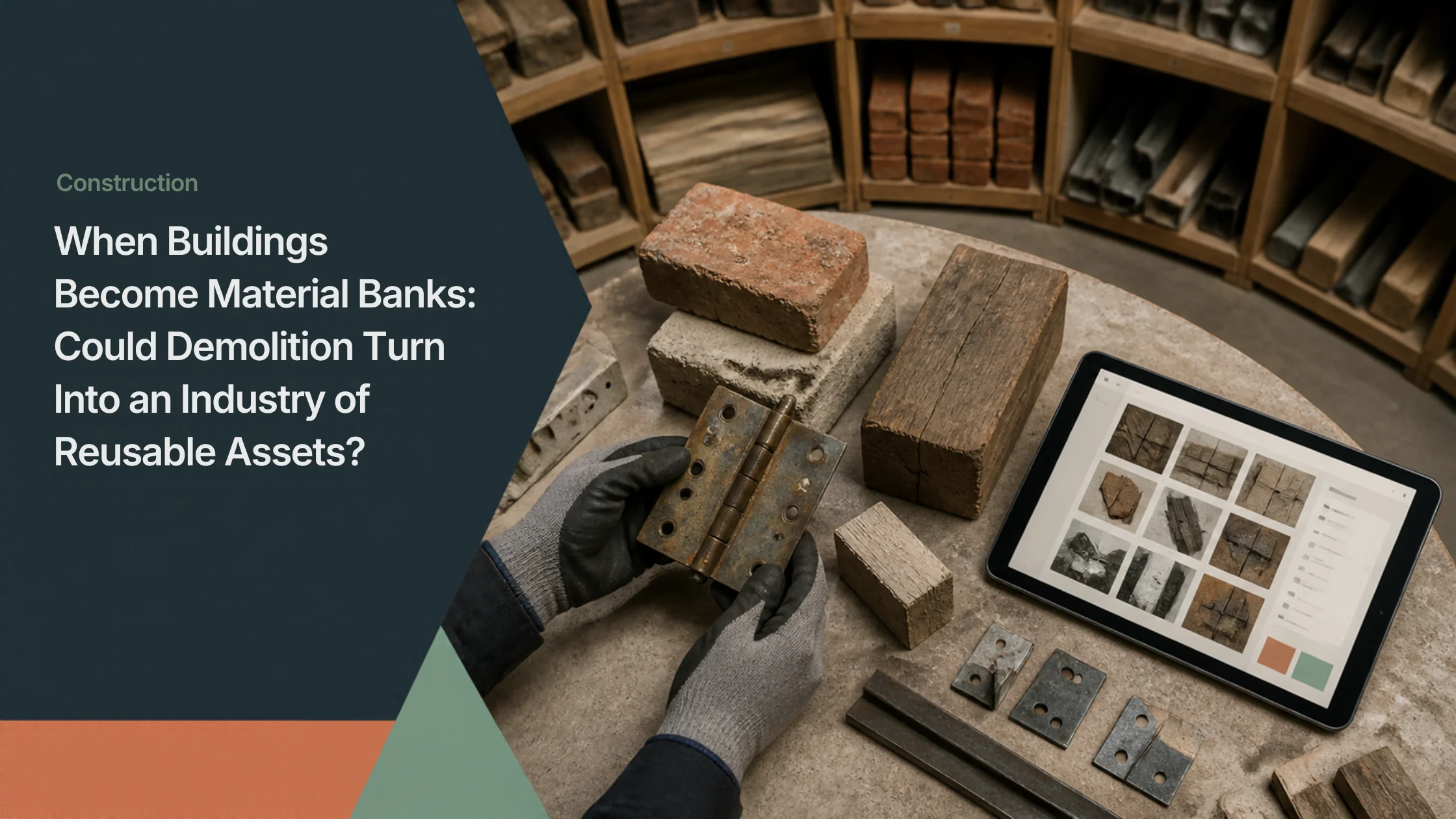
When Buildings Become Material Banks: Could Demolition Turn Into an Industry of Reusable Assets?
Every building contains more than walls, floors, windows, and structural supports. Hidden within its construction are valuable materials that required energy, labor, and natural resources to produce. Yet when buildings reach the end of their useful lives, many of these materials are treated as waste. Steel beams are removed, concrete is crushed, wooden structures are…
-
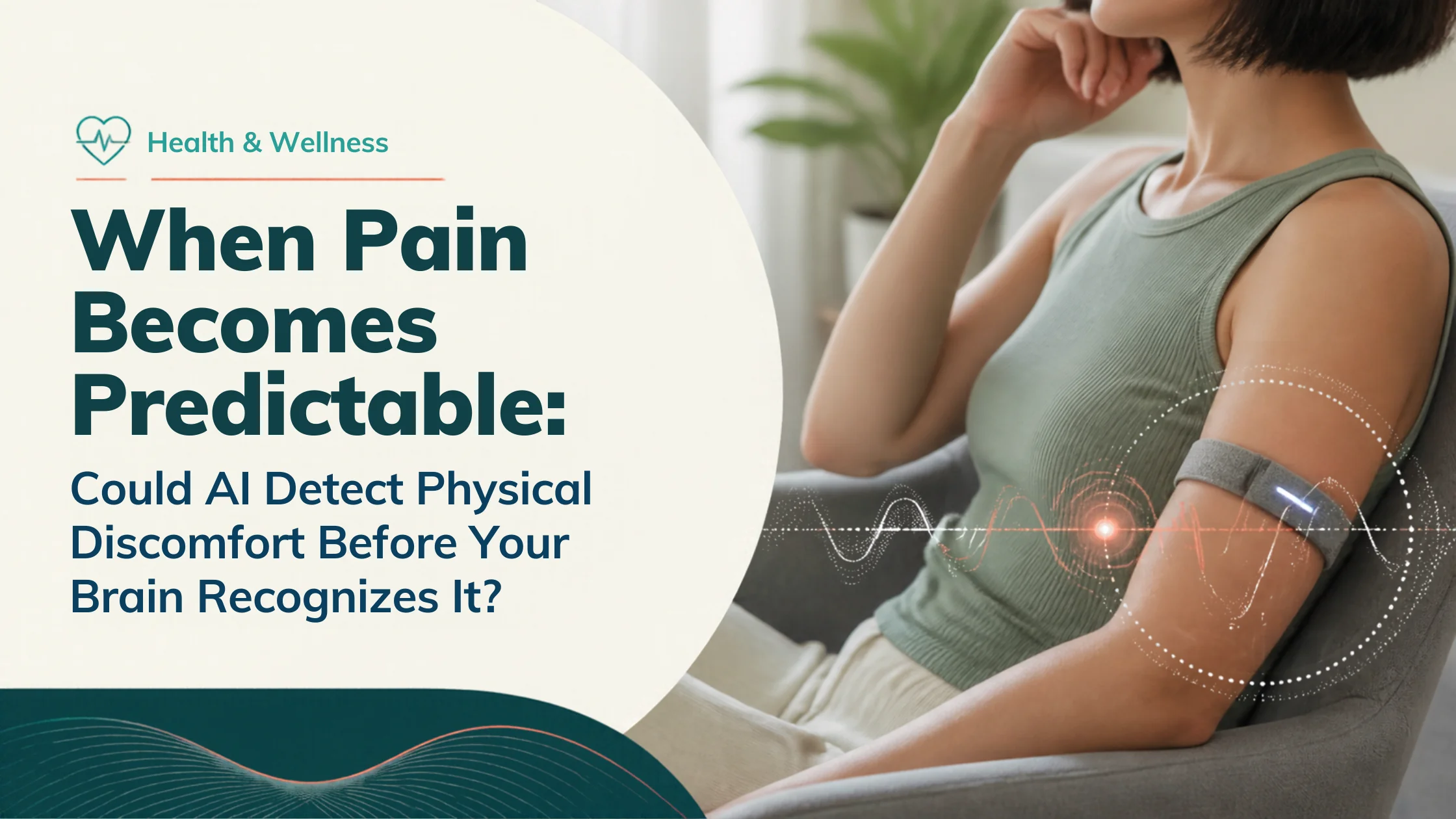
When Pain Becomes Predictable: Could AI Detect Physical Discomfort Before Your Brain Recognizes It?
Pain has always been one of the body’s most important warning systems. A sudden headache, aching muscles, or discomfort in the joints can signal that something needs attention. For most people, the experience begins when they consciously notice something feels wrong. But what if technology could recognize changes associated with discomfort before a person becomes…
-
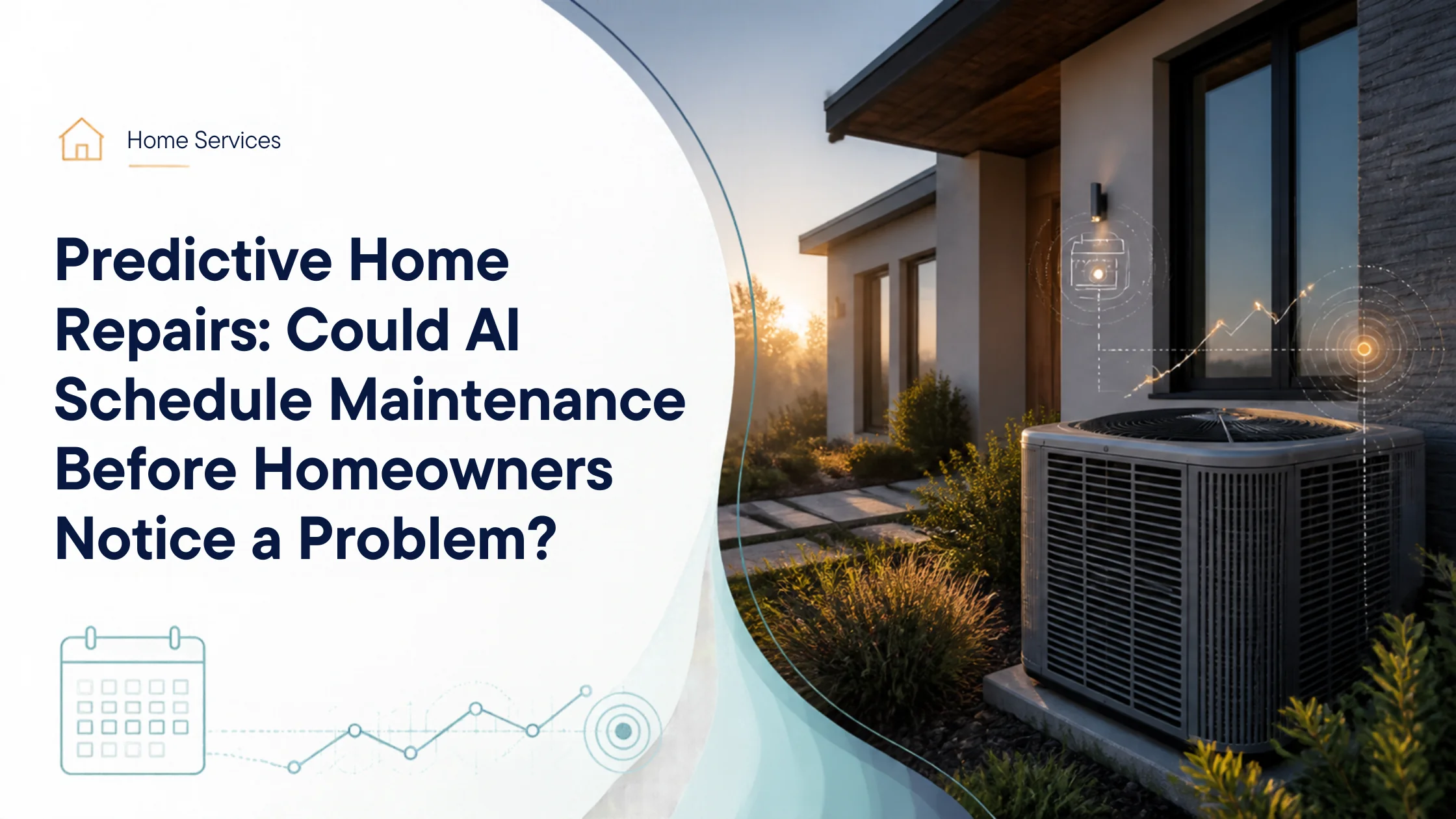
Predictive Home Repairs: Could AI Schedule Maintenance Before Homeowners Notice a Problem?
Most homeowners discover maintenance problems when something stops working. An air conditioner suddenly struggles to cool the house, a water heater begins leaking, or an electrical problem interrupts the morning routine. By the time these warning signs appear, repairs may already be unavoidable. But what if homes could recognize potential problems before anyone noticed something…
-
Appliances With Expiration Dates: Could Software Updates Decide When Home Equipment Stops Working?
For decades, homeowners have measured the lifespan of household appliances by how long their physical components can survive. Refrigerators eventually lose cooling efficiency, washing machines develop mechanical problems, and dishwashers wear down after years of repeated use. But what happens when the appliance is mechanically functional and its software is no longer supported? Modern appliances…